
What Broken Checkouts Really Cost: Why Transaction Monitoring Pays For Itself
Posted on December 15th, 2025 by Richa Gupta in Monitoring, Explainer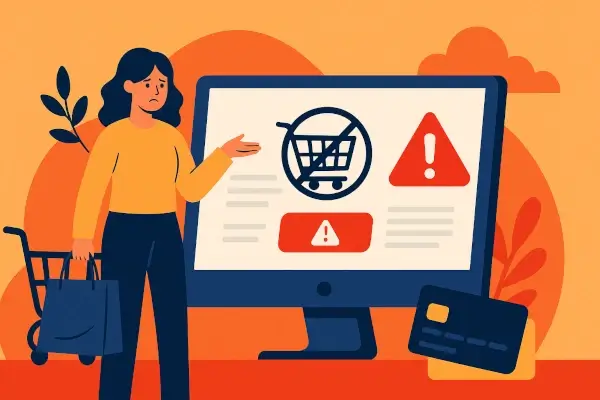
Broken checkouts lead to lost transactions, drain revenue, undermine customer trust, and damage brand credibility. Unfortunately, most companies don't realize their checkout is failing until sales drop or customers start complaining.
How Email Blacklist Monitoring Works
Posted on November 26th, 2025 by Simon Rodgers in Monitoring, Explainer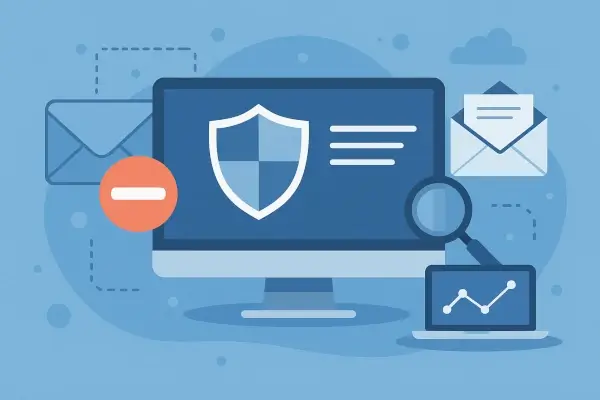
Email servers can be added to blacklists without any visible warning. When this happens, emails stop reaching inboxes and businesses lose communication reliability.
Why Email Blacklist Monitoring Matters?
Posted on November 6th, 2025 by Simon Rodgers in Monitoring, Guides, Explainer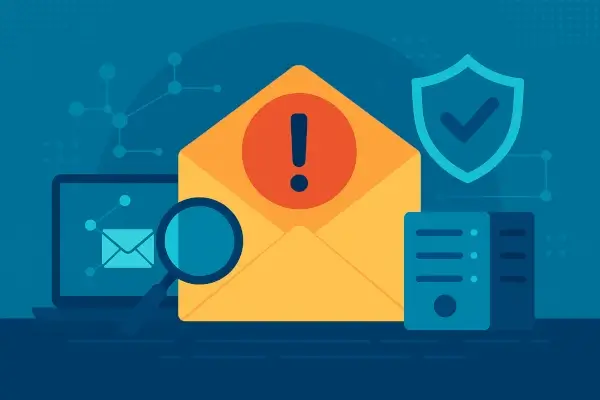
Email deliverability determines whether your messages reach inboxes or disappear without notice. When your domain or mail server appears on a blacklist, communication stops instantly, affecting customers, partners, and revenue.
Why Email Servers Get Blacklisted?
Posted on October 28th, 2025 by Simon Rodgers in Guides, Explainer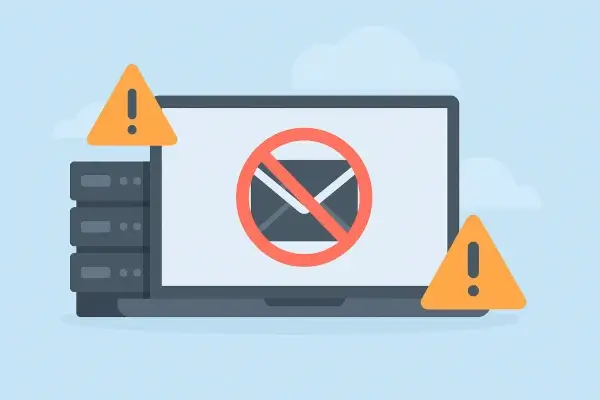
An email server gets blacklisted when it's identified as a potential source of spam, malware, or suspicious activity. Blacklists use automated systems and user reports to flag servers that violate mailing or security standards.
What Is an Email Blacklist?
Posted on October 21st, 2025 by Simon Rodgers in Guides, Explainer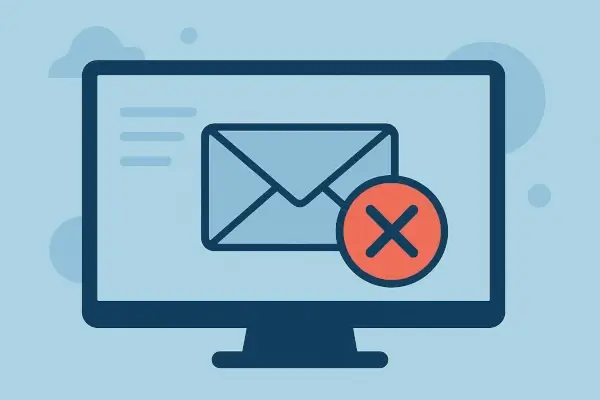
An email blacklist is a database that lists IP addresses or domains suspected of sending spam or malicious emails. Mail servers use these lists to decide whether to deliver or reject incoming messages. Understanding how blacklists work is essential for keeping your messages deliverable and your domain reputation intact.

 Copyright 2000-2026, WebSitePulse. All rights reserved.